
+918042753731

ORTHOPLANETBOANSANDJOINTSCARE https://www.robotichipkneesurgeon.com
Preview

This is your website preview.

Currently it only shows your basic business info. Start adding relevant business details such as description, images and products or services to gain your customers attention by using Boost 360 android app / iOS App / web portal.

919819957525

Services

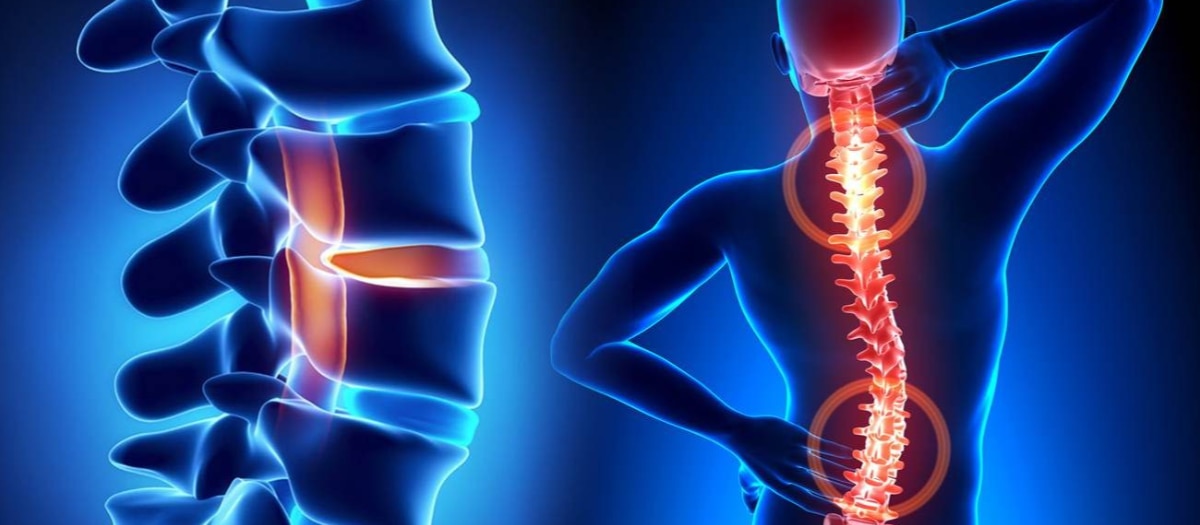
Spine surgery is a medical specialty focused on treating conditions affecting the spinal column. These conditions can result from trauma, degenerative diseases, congenital anomalies, or infections. The goals of spine surgery are to relieve pain, restore function, and stabilize the spine. Here are some common types of spine surgery and considerations:### Common Types of Spine Surgery1. *Discectomy:* - *Procedure:* Removal of a herniated or damaged portion of an intervertebral disc to relieve pressure on the spinal nerves. - *Indications:* Herniated discs causing nerve compression, leading to pain, weakness, or numbness.2. *Laminectomy:* - *Procedure:* Removal of the lamina, part of the vertebra, to relieve pressure on the spinal cord or nerves. - *Indications:* Spinal stenosis, where the spinal canal narrows and compresses the spinal cord or nerves.3. *Spinal Fusion:* - *Procedure:* Joining two or more vertebrae together to prevent movement between them. - *Indications:* Degenerative disc disease, spondylolisthesis, severe scoliosis, or spinal instability.4. *Vertebroplasty and Kyphoplasty:* - *Procedure:* Minimally invasive procedures where bone cement is injected into a fractured vertebra; kyphoplasty involves balloon inflation before cement injection to restore height. - *Indications:* Osteoporotic vertebral compression fractures.5. *Artificial Disc Replacement:* - *Procedure:* Replacing a damaged intervertebral disc with an artificial one to preserve motion at the disc space. - *Indications:* Degenerative disc disease where conservative treatments have failed.6. *Foraminotomy:* - *Procedure:* Enlargement of the foramen, the passageway where nerve roots exit the spinal canal. - *Indications:* Foraminal stenosis causing nerve compression.### Considerations in Spine Surgery1. *Preoperative Evaluation:* - Detailed medical history and physical examination. - Imaging studies like X-rays, MRI, or CT scans to determine the extent of the problem. - Evaluation of overall health and comorbidities to assess surgical risk.2. *Indications for Surgery:* - Persistent pain not relieved by conservative treatments (medication, physical therapy). - Neurological deficits such as weakness, numbness, or bowel/bladder dysfunction. - Structural issues causing significant impairment or risk of further damage.3. *Surgical Techniques:* - *Open Surgery:* Traditional method involving larger incisions. - *Minimally Invasive Surgery (MIS):* Uses smaller incisions, specialized instruments, and often results in quicker recovery and less postoperative pain.4. *Postoperative Care:* - Pain management, infection prevention, and monitoring for complications. - Physical therapy to regain strength and mobility. - Follow-up appointments to monitor healing and progress.5. *Complications:* - Infection, bleeding, nerve damage, or spinal fluid leak. - Non-union or poor healing in spinal fusion. - Hardware-related issues such as loosening or breakage.### Recovery and Rehabilitation- *Hospital Stay:* Varies based on the type of surgery and patient’s condition; some minimally invasive procedures may be outpatient.- *Rehabilitation:* Involves physical therapy, activity modifications, and gradual return to normal activities.- *Long-term Outcomes:* Many patients experience significant pain relief and improved function, but outcomes depend on the specific condition and overall health.Consulting with a spine surgeon who specializes in the specific condition being treated is crucial for developing an appropriate treatment plan and achieving the best possible outcomes.

B- 501, 5th Floor, Kohinoor Square,Near Sena Bhavan, Shivaji Park, Dadar(W), Mumbai - 400028

Treating back and neck pain often involves a combination of approaches tailored to the individual's specific condition and needs. Here are some common treatment methods:1. *Physical Therapy:* - *Exercises:* Strengthening and stretching exercises can help improve flexibility and support the spine. - *Manual Therapy:* Techniques such as massage and manipulation can alleviate pain and improve function. - *Posture Training:* Learning proper posture can prevent further strain.2. *Medications:* - *Over-the-Counter Pain Relievers:* NSAIDs like ibuprofen or acetaminophen can reduce pain and inflammation. - *Muscle Relaxants:* For muscle spasms, doctors may prescribe muscle relaxants. - *Prescription Pain Medications:* For severe pain, stronger pain relievers may be prescribed.3. *Heat and Cold Therapy:* - *Heat:* Applying heat can relax muscles and improve blood flow. - *Cold:* Cold packs can reduce inflammation and numb sore areas.4. *Lifestyle Modifications:* - *Ergonomics:* Adjusting your workstation or changing your sleeping position can reduce strain on your back and neck. - *Weight Management:* Maintaining a healthy weight can reduce the burden on your spine.5. *Alternative Therapies:* - *Acupuncture:* Some find relief through acupuncture. - *Chiropractic Care:* Spinal adjustments can help some patients. - *Yoga and Tai Chi:* These practices can improve flexibility, strength, and reduce stress.6. *Interventional Procedures:* - *Injections:* Corticosteroid injections can reduce inflammation around nerve roots. - *Nerve Blocks:* These can interrupt pain signals from specific nerves.7. *Surgery:* - *Discectomy:* Removal of a herniated disc. - *Spinal Fusion:* Joining two or more vertebrae to prevent movement and reduce pain. - *Laminectomy:* Removal of part of the vertebra to relieve pressure on the spinal cord.8. *Mind-Body Techniques:* - *Cognitive Behavioral Therapy (CBT):* Can help manage the psychological aspects of chronic pain. - *Mindfulness and Meditation:* Can reduce stress and improve pain management.Consulting with a healthcare professional is essential to determine the most appropriate treatment plan for your specific condition.

B- 501, 5th Floor, Kohinoor Square,Near Sena Bhavan, Shivaji Park, Dadar(W), Mumbai - 400028

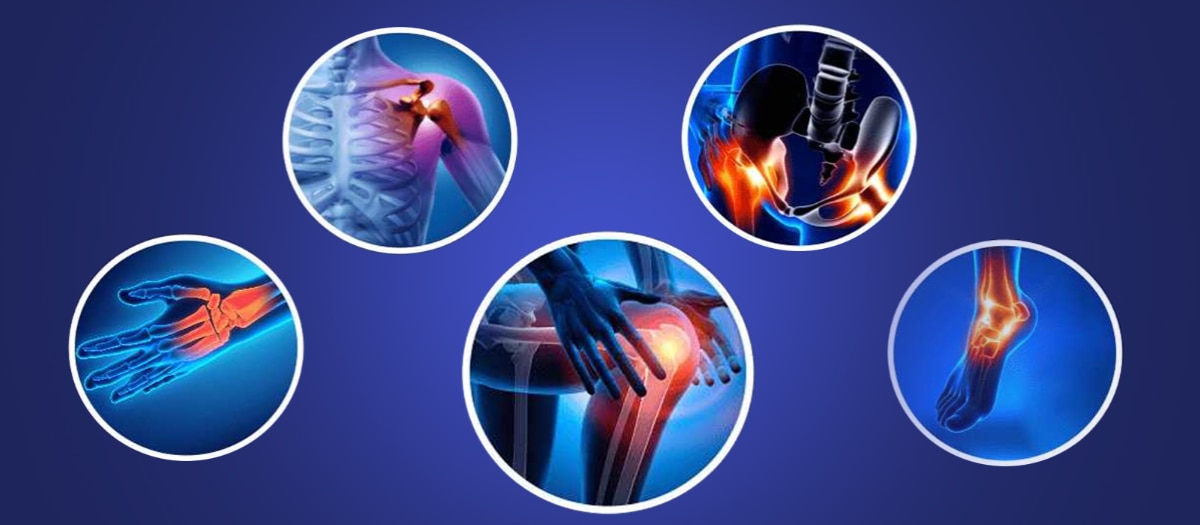
Trauma and fracture surgery involves surgical procedures to repair and stabilize broken bones and other injuries resulting from traumatic events. The goals of these surgeries are to restore normal anatomy, allow for proper healing, and return function to the affected area. Here are some common procedures and considerations in trauma and fracture surgery:### Common Surgical Procedures1. *Open Reduction and Internal Fixation (ORIF):* - *Procedure:* Involves making an incision to realign the fractured bones (open reduction) and using internal devices such as plates, screws, or rods to hold the bones in place (internal fixation). - *Indications:* Commonly used for fractures that cannot be aligned properly with non-surgical methods, such as displaced fractures.2. *External Fixation:* - *Procedure:* Involves placing pins or screws into the bone on either side of the fracture and connecting them to an external frame. - *Indications:* Often used in cases with severe soft tissue injury or when immediate internal fixation is not possible.3. *Intramedullary Nailing:* - *Procedure:* Involves inserting a metal rod into the marrow canal of a long bone to stabilize the fracture. - *Indications:* Commonly used for fractures of the long bones like the femur or tibia.4. *Bone Grafting:* - *Procedure:* Involves transplanting bone tissue to repair and rebuild diseased or damaged bones. - *Indications:* Used in cases where there is a significant bone loss or non-union of fractures.5. *Joint Replacement:* - *Procedure:* Replacing a damaged joint with a prosthesis. - *Indications:* In cases of severe joint damage or fractures involving joint surfaces, such as hip fractures.6. *Arthroscopic Surgery:* - *Procedure:* Minimally invasive surgery using an arthroscope to diagnose and treat joint issues. - *Indications:* Used for joint fractures or injuries with less extensive damage.### Considerations in Trauma and Fracture Surgery1. *Preoperative Evaluation:* - Assess overall health and comorbidities. - Imaging studies (X-rays, CT scans, MRI) to understand the extent of the fracture and plan the surgery.2. *Timing of Surgery:* - Emergency surgery for open fractures, fractures with neurovascular compromise, or severe dislocations. - Delayed surgery for cases requiring preoperative stabilization or treatment of other injuries.3. *Surgical Techniques:* - Choice of technique depends on the type, location, and severity of the fracture, as well as patient-specific factors. - Minimally invasive techniques are preferred when possible to reduce recovery time and complications.4. *Postoperative Care:* - Pain management, infection prevention, and monitoring for complications. - Rehabilitation including physical therapy to restore movement, strength, and function.5. *Complications:* - Infection, non-union or delayed union of the fracture, malunion, and hardware issues (loosening or breakage). - Deep vein thrombosis (DVT) or pulmonary embolism (PE) in the postoperative period.### Recovery and Rehabilitation- *Immobilization:* Casts, braces, or slings may be used to immobilize the area.- *Physical Therapy:* Essential to regain mobility and strength.- *Follow-up Care:* Regular check-ups to monitor healing and manage any complications.Each case is unique, so treatment plans should be tailored to the specific needs and circumstances of the patient. Consulting with an orthopedic surgeon who specializes in trauma and fracture surgery is crucial for the best outcomes.

B- 501, 5th Floor, Kohinoor Square,Near Sena Bhavan, Shivaji Park, Dadar(W), Mumbai - 400028

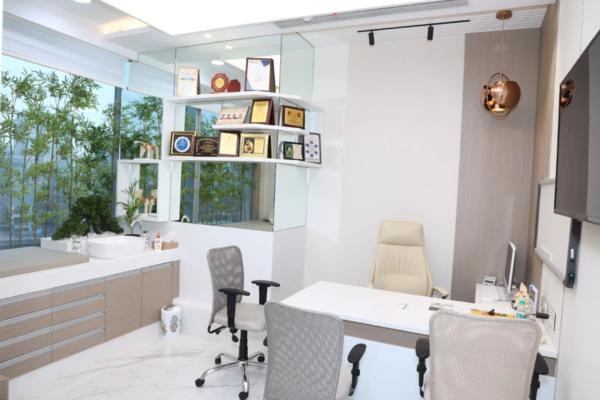
Meet Our Doctor

B- 501, 5th Floor, Kohinoor Square,Near Sena Bhavan, Shivaji Park, Dadar(W), Mumbai - 400028

Testimonials

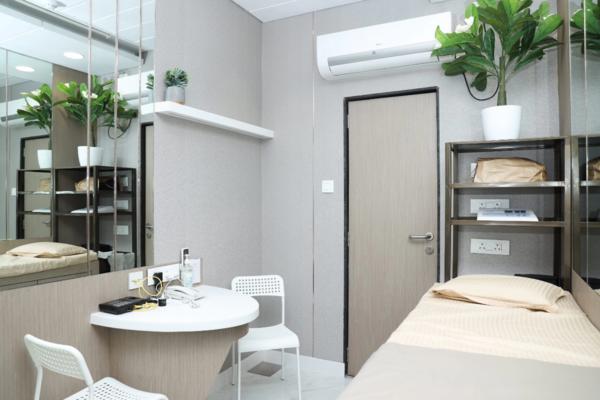
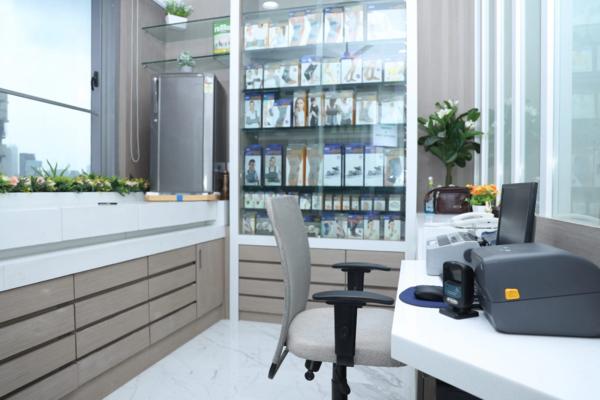
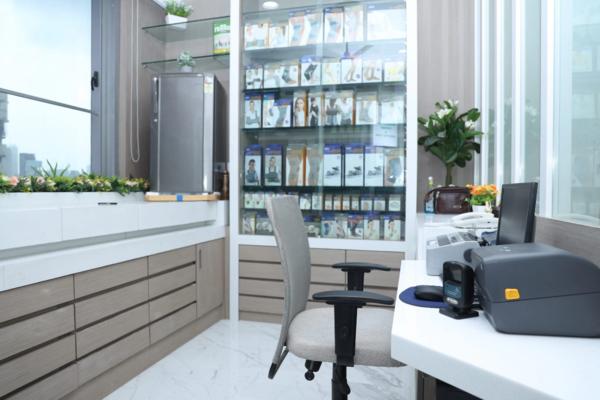
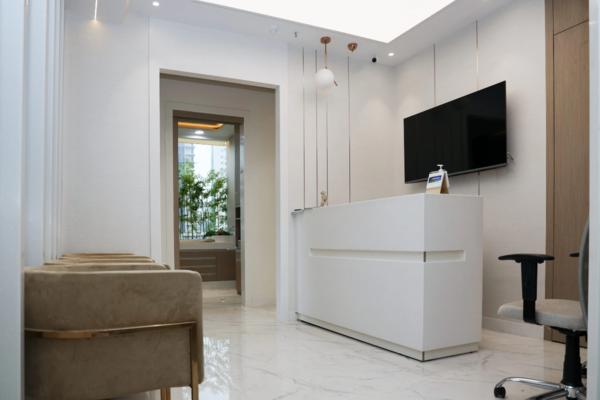
It is a complete Orthopedic clinic. With inhouse facility of Orthopedic surgeon consultation, digital xray machine, computerised path lab and physiotherapy along with well equipped pharmacy with all latest braces and splints and medicines required for orthopaedic problem. Above all the doctor gives lot of time to hear and treat patient problems and the staff is well trained and mannered. The vibes in the clinic are positive with healing attributes.

It is a complete Orthopedic clini

Latest Update

Accurate Implant Positioning

It's Done!!

Your appointment is confirmed

Doctor Name:

Date & Time:

Contact:

Address: B- 501, 5th Floor, Kohinoor Square,Near Sena Bhavan, Shivaji Park, Dadar(W), Mumbai - 400028

Appointment details has also been shared with you on your mobile number . Please arrive atleast ten minnutes ahead of the scheduled time.

services